
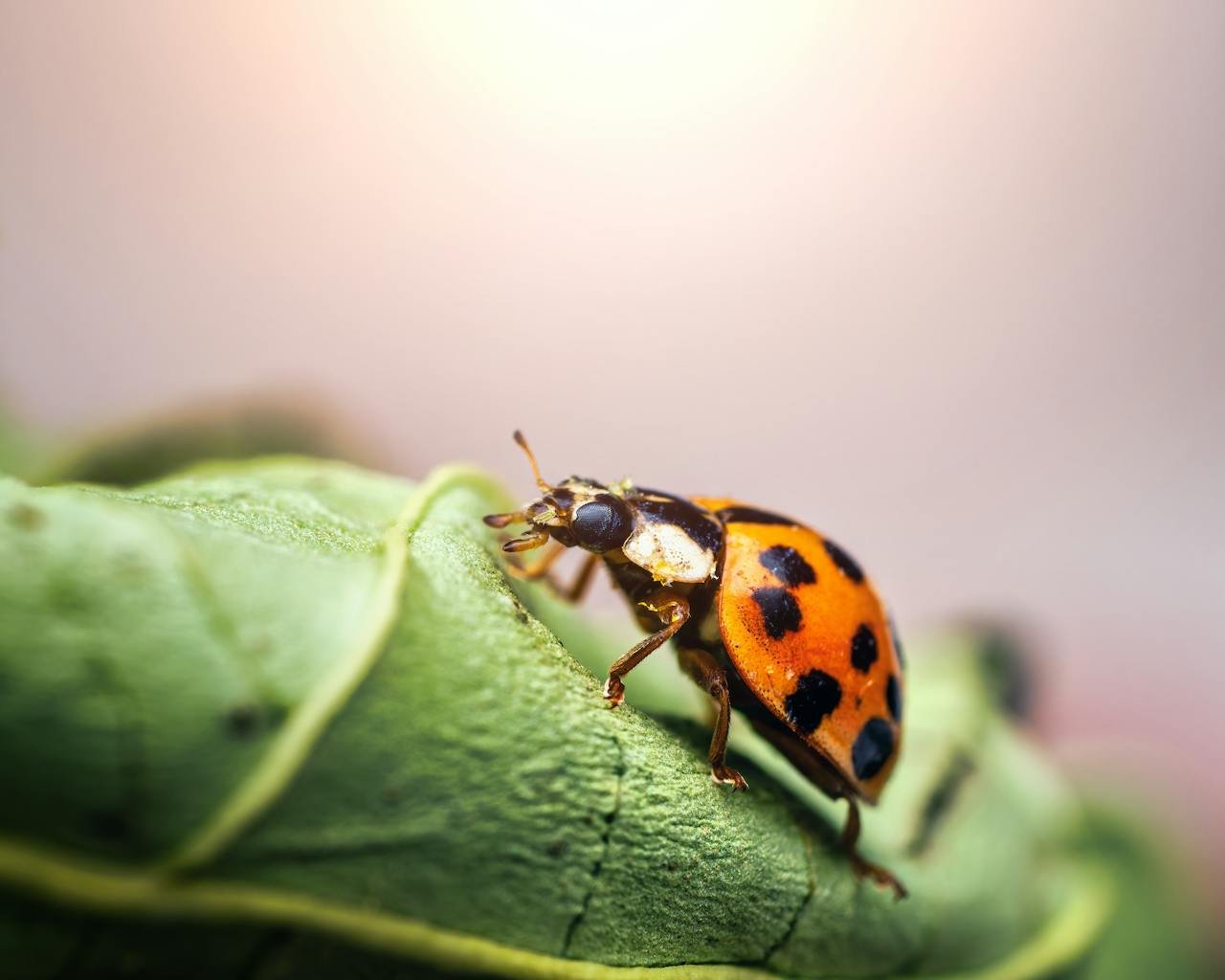
When temperatures drop, ladybirds often gather on sunny walls and slip indoors through tiny gaps, quickly turning from welcome garden helpers into an unwelcome houseguest. Many homeowners rely on harsh sprays or quick fixes that don’t work, or risk harming beneficial insects. What actually keeps ladybirds out for good? This article explains why they come inside and the practical steps to prevent it.
Why ladybirds come indoors in autumn
As temperatures drop, ladybirds look for warmth
When the weather starts to cool, ladybirds begin searching for protected places where they can stay warm and dry. In the wild, they would usually hide in tree bark, cracks in rocks, or other sheltered spots. Modern homes offer the same kind of protection, which is why they often end up around windows, lofts, and wall gaps during autumn.
Houses provide safe places for hibernation
Many ladybirds indoors are simply trying to find a suitable place to rest through the colder months. They are attracted to quiet, undisturbed spaces where the temperature stays fairly stable. Once inside, they may gather in groups because this helps them settle into hibernation more safely and avoid harsh outdoor conditions.
Light-coloured walls and sunny surfaces attract them
Ladybirds are often drawn to homes with bright walls, warm roofs, or sunny window frames because these surfaces hold heat during the day. This makes your property seem like an ideal shelter in autumn. If they find tiny openings around doors, vents, or window frames, ladybirds can easily make their way inside and stay there until the weather becomes milder.
Common entry points ladybirds use at home
Gaps around windows and doors
One of the most frequent ways ladybirds enter the house is through tiny openings around window frames and door seals. Over time, materials can shrink, crack, or loosen, creating small gaps that are almost invisible but large enough for ladybirds indoors to pass through. During autumn, when temperatures drop, these insects actively explore edges and corners, increasing the chances of them slipping inside.
Older homes are particularly vulnerable because worn seals and ageing structures often leave more access points exposed. Even modern houses are not immune if installation gaps or poor insulation leave space around fittings. Checking and sealing these areas can significantly reduce how many ladybirds manage to get inside.
Rooflines, vents, and attic spaces
The upper sections of a house are prime entry zones for ladybirds indoors because they naturally rise toward warmer areas. Rooflines, soffits, air vents, and attic openings provide discreet access routes that often go unnoticed. These spaces are especially attractive as they offer warmth, darkness, and minimal disturbance—ideal conditions for ladybirds enter the house in search of hibernation spots.
Ladybirds can also crawl under loose roof tiles or slip through small ventilation gaps without difficulty. Once inside the attic, they may remain hidden or eventually make their way into living spaces. Regular inspection of roof edges and installing fine mesh over vents can help prevent ladybirds from using these elevated entry points.
Cracks in walls and utility openings
Another common route for ladybirds enter the house is through structural cracks and small gaps in exterior walls. These may appear in brickwork, around window sills, or where different building materials meet. Additionally, openings created for pipes, cables, and utility lines are often poorly sealed, making them easy access points for ladybirds indoors.
These hidden pathways allow ladybirds to move directly from outside walls into internal cavities and then into rooms. Because these gaps are less visible, infestations can seem sudden when large numbers of ladybirds appear indoors. Sealing cracks with appropriate materials and checking utility entry points is essential to limit how easily they can get inside.
Seal gaps and draught-proof doors and windows
Identify and seal visible cracks and openings
The first step to prevent ladybirds entering the house is to carefully inspect all visible gaps around windows, doors, and walls. Even the smallest crack can allow ladybirds indoors to slip through, especially during autumn when they actively search for shelter. Pay close attention to window frames, door edges, and junctions between different materials.
Using sealants like silicone or caulk is an effective way to block these entry points. Expanding foam can also be used for larger gaps around pipes or structural openings. By sealing these areas properly, you reduce the number of places where ladybirds can gain access.
Install draught excluders and weather stripping
Adding draught-proofing solutions is another key method to stop ladybirds entering the house. Draught excluders placed at the bottom of doors help close off gaps that insects commonly use. Similarly, adhesive weather stripping around window and door frames creates a tighter seal, making it harder for ladybirds indoors to get inside.
These solutions not only prevent insects but also improve insulation, helping maintain indoor warmth. Ensuring a snug fit around all openings significantly limits how easily ladybirds can enter your home.
Maintain and regularly check seals
Over time, seals can wear out, crack, or loosen due to weather changes and daily use. Regular maintenance is essential to keep barriers effective against ladybirds entering the house. Inspect seals seasonally, especially before autumn, and replace any damaged materials promptly.
By keeping seals in good condition, you create a long-term defense against ladybirds indoors. Consistent upkeep ensures that your home remains well-protected and reduces the chances of ladybirds finding their way inside.
Reduce lights that attract ladybirds indoors
Outdoor lighting can draw ladybirds toward your home
Artificial lighting plays a significant role in attracting ladybirds indoors, especially during the evening. Many insects, including ladybirds, are naturally drawn to light sources, which can lead them closer to windows, doors, and walls. Once تجمع around these illuminated areas, it becomes easier for ladybirds entering the house to find small gaps and slip inside.
Bright porch lights, garden lighting, and even security lights can increase this effect. Reducing unnecessary lighting or switching lights off when not needed can help limit how many ladybirds gather near entry points.
Switch to less attractive light bulbs
Not all light bulbs attract insects in the same way. Traditional white or blue-toned bulbs tend to draw more ladybirds indoors, while warmer-colored or yellow bulbs are less appealing. Replacing outdoor lights with LED bulbs designed to reduce insect attraction is an effective step to prevent ladybirds entering the house.
Positioning lights further away from doors and windows can also make a difference. By doing this, you reduce the chances of ladybirds being guided directly toward potential entry points.
Keep curtains and blinds closed at night
Indoor lighting can also attract ladybirds indoors if it shines through uncovered windows. At night, bright interior lights can act like a beacon, encouraging insects to gather on window surfaces. From there, it becomes easier for ladybirds entering the house through small cracks or openings.
Closing curtains or blinds in the evening helps block light from escaping and reduces attraction. This simple habit can significantly lower the number of ladybirds drawn to your home and help keep them outside where they belong.
Natural repellents to deter ladybirds humanely
Use scents that ladybirds dislike
Certain natural smells are highly effective at keeping ladybirds away without causing them harm. Scents like peppermint, clove, citrus, and bay leaves are known to repel insects, making them ideal for preventing ladybirds indoors. You can use essential oils diluted in water and spray them around windows, doors, and other entry points.
Another simple option is placing dried herbs or citrus peels near problem areas. These natural solutions create an environment that discourages ladybirds entering the house, while remaining safe for both humans and pets.
Vinegar solutions for entry points
White vinegar is another gentle but effective way to deter ladybirds indoors. Mixing equal parts vinegar and water creates a natural spray that can be applied to window frames, door edges, and cracks. The strong smell disrupts the insects’ scent trails, making it harder for ladybirds entering the house to return to the same spots.
This method is particularly useful if you already notice clusters forming in certain areas. Regular application helps reduce the likelihood of ladybirds settling inside without using harsh chemicals.
Add plants that naturally repel insects
Some plants can act as a barrier against ladybirds indoors thanks to their natural aroma. Plants like lavender, mint, and chrysanthemums are known to repel various insects and can be placed near entrances or windows. These not only help prevent ladybirds entering the house but also enhance your home environment.
Keeping these plants healthy and positioned strategically can reduce how attractive your home is to ladybirds. This approach offers a long-term, eco-friendly way to manage their presence while maintaining a humane solution.
Safe ways to remove ladybirds already inside
Gently collect and release them outside
The most humane method for dealing with ladybirds indoors is to carefully capture and release them. You can use a glass and a piece of paper to trap the insect without harming it, then carry it outside and let it go in a sheltered spot. This approach avoids injury and helps prevent ladybirds entering the house again if released away from entry points.
Try to place them in a garden area, near plants or shrubs, where they can find natural shelter. Acting quickly when you spot ladybirds inside helps stop them from gathering in larger numbers.
Use a vacuum cleaner on a low setting
If there are several ladybirds indoors, using a vacuum cleaner can be an effective solution. Set it to a low suction level and, if possible, place a soft cloth or stocking inside the nozzle to prevent harming the insects. This allows you to collect ladybirds entering the house safely and release them afterwards.
Make sure to empty the vacuum promptly outside to avoid keeping ladybirds trapped indoors. This method is especially useful when dealing with clusters in corners or ceilings.
Encourage them to leave with natural light
Ladybirds are naturally attracted to light, which can be used to guide ladybirds indoors back outside. Open a window during the day and allow natural daylight to create an exit path. You can also turn off indoor lights to reduce confusion and encourage ladybirds entering the house to move toward the brighter outdoor environment.
This gentle technique works well for small numbers and avoids direct handling. By guiding ladybirds out naturally, you maintain a humane and stress-free removal method.
When to call pest control for ladybirds
Large infestations inside your home
If you start noticing large clusters of ladybirds indoors, especially in multiple rooms, it may be time to consider professional help. While a few insects are harmless, a significant number of ladybirds entering the house can quickly become difficult to manage on your own. They tend to gather in wall voids, ceilings, and window frames, making removal more complex.
A pest control expert can assess the scale of the issue and identify hidden تجمعات where ladybirds may be nesting. This is particularly useful if the infestation keeps returning despite your efforts to seal entry points.
Repeated invasions every autumn
Some homes experience recurring problems with ladybirds indoors year after year. If you notice the same pattern each autumn, it likely means your property has multiple access points or is especially attractive to these insects. In such cases, basic prevention methods may not be enough to stop ladybirds entering the house.
Professional pest control services can provide long-term solutions, including thorough inspections and targeted treatments. This helps reduce the chances of ladybirds returning season after season.
Difficulty locating entry points
When you cannot identify how ladybirds entering the house are getting inside, it becomes much harder to control the problem effectively. Hidden gaps in walls, roofing, or utility areas can allow ladybirds indoors without obvious signs. This often leads to frustration as new insects keep appearing.
Pest control specialists have the experience to locate these hard-to-find entry points and recommend appropriate fixes. Their expertise ensures that ladybirds are managed efficiently while preventing future infestations.