
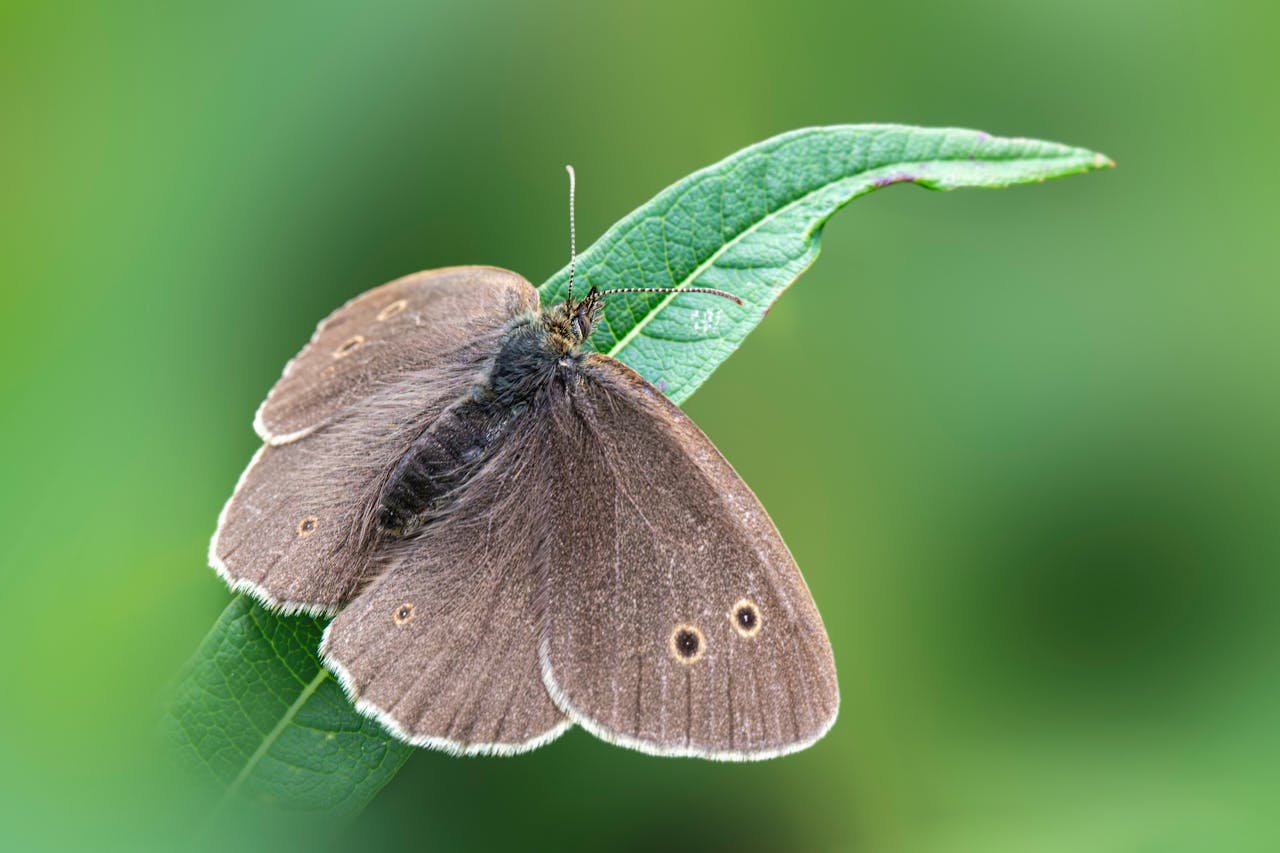
Spotting a brown moth indoors can trigger everything from mild annoyance to worries about bad omens or infestations. Yet the real significance is often more practical than symbolic: attracted by light, warmth, or hidden food sources, moths may signal seasonal change—or a problem worth addressing. What does a brown moth’s presence actually mean, and when should you act? This article breaks down the likely causes, risks, and next steps.
Brown moth in the house meaning: common interpretations
A symbol of transformation and subtle change
A brown moth in the house meaning is often linked to quiet transformation and gradual personal growth. Unlike more vibrant symbols, the moth represents change that happens discreetly, without immediate visibility. This spiritual meaning of a brown moth suggests that something in your life is evolving behind the scenes.
Its presence indoors may indicate that you are in a transitional phase, even if the results are not yet apparent. It encourages patience and trust in the process, reminding you that not all growth is loud or obvious.
A message of introspection and grounding
The symbolism of a brown moth in the house is also closely connected to introspection and emotional grounding. Brown, as an earthy colour, reflects stability, simplicity, and a return to essentials. This brown moth spiritual meaning invites you to slow down and reconnect with your inner self.
Seeing a brown moth inside your home may be a sign to reflect on your current situation. It can suggest the need to reassess priorities, focus on what truly matters, and find balance in your daily life.
A sign linked to intuition and hidden messages
Another interpretation of the brown moth in the house symbolism is its association with intuition and unseen messages. Moths are naturally drawn to light, which symbolically represents truth and awareness. This meaning of a brown moth indoors may point to hidden insights or thoughts that are ready to surface.
Its appearance can serve as a reminder to trust your instincts and pay attention to subtle signs around you. It suggests that answers may already be within reach, waiting to be acknowledged.
Spiritual and cultural symbolism of brown moths
Spiritual meaning: resilience and inner transformation
The spiritual meaning of brown moths is often associated with resilience, adaptability, and quiet inner transformation. Unlike more striking symbols, the moth represents a journey that unfolds in the background, encouraging patience and perseverance. This brown moth symbolism highlights the importance of trusting slow progress and embracing personal evolution.
In spiritual contexts, brown moths are also linked to grounding energy. Their earthy colour reflects stability and connection to the natural world, suggesting that you may need to stay centred while navigating changes.
Cultural beliefs and traditional interpretations
Across different cultures, the brown moth cultural symbolism varies, yet it often carries a sense of mystery and subtle significance. In some traditions, moths are seen as messengers between worlds, similar to butterflies, though their message is more discreet. This meaning of brown moths in the house can be interpreted as a quiet sign rather than an obvious one.
In certain folk beliefs, moths entering the home were thought to signal news or change. While not always viewed negatively, their presence encouraged awareness and reflection on one’s surroundings and life circumstances.
A symbol of shadow work and hidden truths
Another layer of the spiritual symbolism of brown moths is their connection to shadow work and the exploration of hidden aspects of the self. As nocturnal creatures, moths naturally align with darkness, representing what is unseen or unconscious. This brown moth spiritual message invites you to look beyond the surface and confront deeper emotions or truths.
Their appearance can be a call to self-discovery, encouraging honesty and introspection. It suggests that by acknowledging what is hidden, you can achieve greater clarity and personal growth.
What attracts brown moths indoors
Light sources and indoor warmth
A common reason behind a brown moth indoors is the attraction to artificial light. Moths naturally navigate using the moon, so indoor lighting such as lamps, bulbs, and screens can confuse them. This what attracts moths indoors behaviour often leads them straight into homes, especially in the evening.
Warmth also plays a role. Houses provide a stable and comfortable environment, making them appealing compared to cooler outdoor conditions. Open windows or doors at night make it easy for moths to enter while following light.
Food, fabrics and organic materials
Another key factor in a brown moth in the house meaning is the availability of food sources. Some moth species are attracted to natural fibres like wool, silk, carpets, and clothing, particularly if they carry body oils or food residue. This why moths come into houses explanation is common in bedrooms and wardrobes.
In kitchens, moths may be drawn to dry foods such as flour, grains, cereals, and nuts. Poorly sealed containers can quickly become a target, encouraging moth activity indoors.
Safe, dark and undisturbed spaces
A brown moth indoors meaning is also linked to the environment your home provides. Moths prefer dark, quiet places where they can hide and reproduce. Cupboards, wardrobes, storage boxes, and areas under furniture are ideal. This brown moth symbolism indoors reflects their need for shelter and safety.
If these areas are rarely disturbed or cleaned, they become even more attractive. Over time, moths may settle and lay eggs, leading to repeated appearances inside the home.
Is a brown moth in the house a bad sign
A neutral symbol rather than a negative omen
A brown moth in the house meaning is not generally considered a bad sign. In most interpretations, it is seen as neutral or even quietly positive. The spiritual symbolism of a brown moth tends to focus on subtle change, reflection, and adaptation rather than anything harmful.
While some people may feel uneasy due to the moth’s dark colour or nocturnal nature, there is no universal belief that it brings bad luck. Instead, its presence is often linked to natural cycles and personal transitions.
A sign of reflection and inner awareness
From a spiritual perspective, a brown moth indoors meaning is more about introspection than negativity. It can symbolise a need to slow down, reassess your situation, and reconnect with your inner self. This brown moth spiritual meaning encourages awareness rather than fear.
Rather than signalling something bad, it may act as a reminder to pay attention to subtle aspects of your life. It invites you to look inward and consider what might need adjustment or understanding.
When practical explanations matter more
In many cases, a brown moth in the house symbolism has a simple, practical explanation. Moths are often attracted by light, warmth, or food sources, making their presence completely natural. This why moths enter homes perspective helps remove any negative connotation.
If you notice frequent sightings, it may be worth checking for food storage issues or fabric damage rather than interpreting it as a sign. In this sense, the meaning is less spiritual and more about your home environment.
Seasonal patterns and moth behaviour at home
Increased activity during warmer months
The moth behaviour in the home is strongly influenced by seasonal changes, with activity peaking in spring and summer. Warmer temperatures create ideal conditions for moths to breed and move around more actively. This seasonal moth activity indoors often explains why you may suddenly notice more moths during these months.
Longer daylight hours and open windows also make it easier for moths to enter homes. As a result, sightings tend to increase naturally without necessarily indicating a problem.
Autumn and winter: hidden but present
During colder seasons, moths in the house behaviour becomes less visible but does not disappear entirely. Many moths remain indoors, hiding in dark and undisturbed areas such as wardrobes, cupboards, or loft spaces. This moth lifecycle indoors continues quietly, even when you do not see them.
Eggs and larvae can survive through winter, meaning activity may resume once temperatures rise again. This explains why moths can seem to “reappear” suddenly in warmer months.
Breeding cycles and indoor environments
Understanding the seasonal patterns of moths indoors also involves their breeding cycle. Female moths lay eggs in safe environments with access to food sources, such as natural fibres or stored food. This moth infestation behaviour is closely linked to indoor conditions rather than just the outdoor climate.
If your home provides warmth, shelter, and food, moths may continue reproducing regardless of the season. Regular cleaning and ventilation can help disrupt this cycle and reduce their presence.
How to identify common brown house moths
Clothes moths: small and fabric-focused
One of the most common species linked to a brown moth in the house is the clothes moth. These moths are typically small, with a plain golden or light brown colour and narrow wings. This identify clothes moths UK type is often found in wardrobes, drawers, or near carpets.
They tend to avoid light and are more likely to be spotted when disturbed. If you notice damage to clothing—especially wool, silk, or other natural fibres—it is a strong sign that clothes moths may be present.
Pantry moths: attracted to dry foods
Another frequent type of brown moth indoors is the pantry moth. These are slightly larger and may have a two-tone appearance, often with darker outer wings. This identify pantry moths category is commonly seen in kitchens and food storage areas.
You might notice them flying near cupboards or around ceilings, particularly in the evening. Signs include webbing in food packaging or larvae in products like flour, rice, or cereals.
Carpet moths: linked to hidden areas
Carpet moths are another species associated with a brown moth in the house meaning. They are usually small and mottled brown, making them harder to spot. This identify carpet moths UK type prefers dark, undisturbed spaces such as under furniture or along skirting boards.
Instead of obvious holes in clothes, they often cause patchy damage to carpets and rugs. Their larvae feed on natural fibres, so regular inspection of hidden areas can help detect them early.
Safe ways to remove and prevent moths indoors
Natural and non-toxic removal methods
If you notice a brown moth in the house, start with gentle and safe solutions. Using natural repellents is an effective way to manage the issue without harmful chemicals. This safe moth removal indoors approach includes lavender sachets, cedarwood, cloves, or bay leaves, all known to deter moths naturally.
You can also vacuum affected areas thoroughly, especially carpets, wardrobes, and corners. This helps remove eggs and larvae, reducing the risk of further activity. Freezing infested clothing for a few days is another non-toxic moth control method that can eliminate larvae safely.
Cleaning and storage habits that prevent moths
Prevention plays a key role in avoiding a recurring moth problem indoors. Regular cleaning—particularly in hidden or undisturbed spaces—helps eliminate the environments moths prefer. This how to prevent moths in the house strategy includes vacuuming under furniture, airing cupboards, and washing fabrics periodically.
Proper storage is equally important. Keep clothes clean before storing them and use airtight containers for both garments and dry food. This reduces access to food sources and makes your home less attractive to moths.
Reducing attractants like light and entry points
Limiting what draws moths inside is another effective moth prevention indoors technique. Since moths are attracted to light, consider closing curtains at night or reducing unnecessary lighting near open windows. This what attracts moths indoors awareness can significantly lower the chances of them entering your home.
Installing window screens and sealing small gaps around doors or windows can also help. By controlling entry points and reducing attractants, you create a less inviting environment for moths overall.